
Commercial Tree Risk Assessments for Commercial Sites in Worcestershire: What Property Managers Need to Know
Managing a commercial property comes with a wide range of responsibilities, and trees are often overlooked until a problem arises. Whether you're responsible for a school, business park, retail site, housing development or industrial estate, trees can present risks that need to be managed alongside buildings, infrastructure and public access areas.
A commercial tree risk assessment helps identify potential hazards before they become costly issues. More importantly, it provides a structured approach to managing trees safely while protecting people, property and your organisation from unnecessary risk.
For property managers across Worcestershire, understanding when a tree inspection is needed and what it should involve can make a significant difference to both safety and long-term maintenance planning.
What Is A Commercial Tree Risk Assessment?
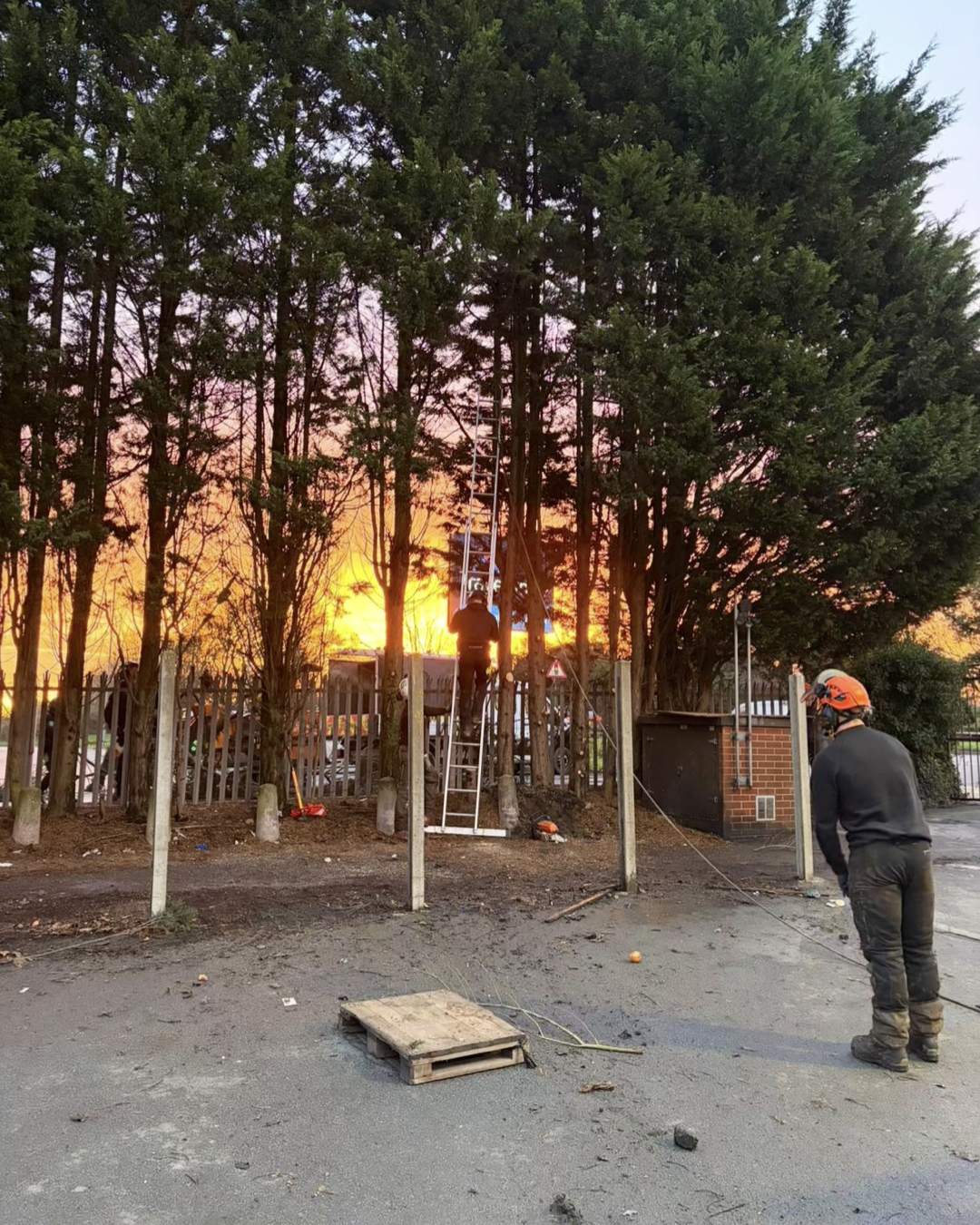
A commercial tree risk assessment is a professional inspection that evaluates the condition of trees and identifies any defects that could present a risk to people, property or infrastructure.
The purpose is not simply to decide whether a tree should be removed. In most cases, the goal is to identify practical management solutions that allow trees to be retained safely while reducing risk.
A typical assessment may identify:
Dead, dying or diseased branches
Structural weaknesses
Root instability
Storm damage
Obstructions affecting access or visibility
Trees that require monitoring or maintenance
The findings are usually recorded in a report that prioritises any recommended actions and helps property managers plan future maintenance.
Why Commercial Sites Need Tree Risk Assessments
Commercial properties often have a higher level of public interaction than domestic sites, which means tree-related risks can have more serious consequences.
Regular assessments help property managers identify hazards before they lead to injury, property damage or disruption.
They are particularly valuable for:
Schools and colleges
Retail parks
Business parks
Industrial estates
Housing developments
Healthcare facilities
Hotels and leisure venues
By identifying issues early, property managers can plan maintenance, prioritise budgets and demonstrate a proactive approach to site safety.

What Does A Professional Assessment Actually Look For?
A tree risk assessment involves much more than a quick visual check.
An experienced arborist will assess the tree itself, its surroundings and any factors that could influence the level of risk.
This typically includes examining:
Tree species and age
Overall health and vitality
Trunk condition
Branch structure
Signs of decay
Fungal activity
Root condition
Previous pruning work
Proximity to potential targets
The inspection also considers what could be affected if part of the tree were to fail.
For example, a dead branch over a woodland area may require a different management approach than the same branch hanging above a busy customer entrance.
Common Warning Signs Property Managers Should Not Ignore
Many tree defects develop gradually and can go unnoticed without regular inspections.
However, there are several warning signs that should prompt further investigation:
Sudden leaning
Cracks in the trunk or major limbs
Hanging or broken branches
Large areas of deadwood
Fungal growth around the base of the tree
Root lifting or soil movement
Significant storm damage
Branches contacting buildings or utilities
Not every issue requires urgent work, but these symptoms should be assessed by a qualified professional as soon as possible.
The Importance Of Inspections Following Storm Damage
Storms can expose weaknesses that were previously hidden within an otherwise healthy-looking tree.
High winds, prolonged rainfall and saturated ground conditions can increase the likelihood of branch failure or root movement. This is one reason why many commercial property managers arrange inspections following severe weather events.
A post-storm assessment can identify:
Broken or hanging branches
Newly developed structural defects
Root plate movement
Trees under increased stress
Immediate safety concerns
Acting quickly after a storm can help prevent secondary damage and reduce the likelihood of emergency works being required later.
What About Tree Preservation Orders And Legal Responsibilities?
One of the most common mistakes made by property owners is assuming that safety concerns automatically override legal protections.
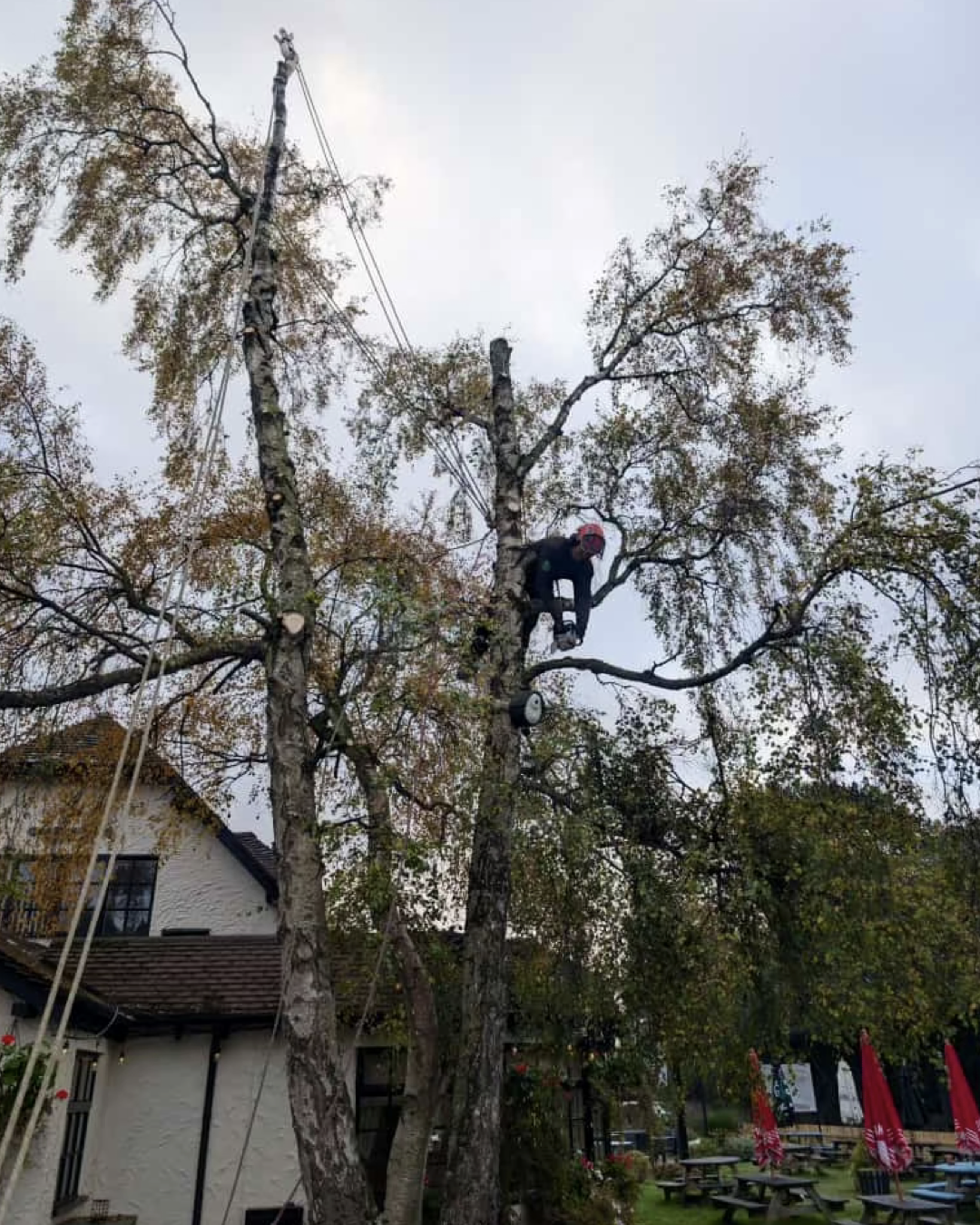
Some trees are protected by Tree Preservation Orders (TPOs) or are located within conservation areas. In these situations, permission may still be required before work can take place.
Government guidance on protected trees can be found here.
A professional arborist can help determine:
Whether a tree is protected
What permissions may be required
Whether emergency exemptions apply
What documentation should be retained
For commercial sites, this additional layer of due diligence can help avoid delays and ensure works are completed correctly.
How Tree Risk Assessments Support Long-Term Site Management
One of the biggest benefits of a commercial tree risk assessment is that it helps property managers move away from reactive maintenance.
Rather than responding to emergencies, inspections allow works to be prioritised and budgeted for in advance.
Recommendations may include:
Crown reduction
Crown lifting
Deadwood removal
Tree pruning
Tree removal
Stump grinding
Ongoing monitoring
This proactive approach often reduces long-term costs while helping to maintain safer and more attractive outdoor environments.
Frequently Asked Questions
-
There is no fixed rule. Inspection frequency depends on factors such as tree condition, site usage, public access and the level of risk. Trees located near busy areas generally require more frequent monitoring.
-
While legislation does not specifically require a tree risk assessment by name, property owners and managers have a duty to manage foreseeable risks. Regular inspections help demonstrate that reasonable steps have been taken.
-
Yes. Internal decay, root problems and structural weaknesses are not always visible from the ground. A tree may appear healthy while still presenting a risk.
-
Yes. Storms can create defects that are not immediately obvious and may increase the likelihood of failure.
-
Depending on the findings, recommendations may range from monitoring and minor pruning through to more significant management works such as crown reduction or removal.
Managing Tree Risk Before It Becomes A Problem
The best time to identify a tree-related risk is before it becomes an emergency.
For property managers, a commercial tree risk assessment provides valuable information that supports safer sites, better maintenance planning and informed decision-making. Whether you're responsible for a single property or a large portfolio, regular inspections can help protect people, property and budgets alike.
If you would like advice on commercial tree inspections, maintenance planning or specialist arboricultural services, CJ Tree Surgeons can help.
Call the team on 01527 304 006

Click here to see CJ Tree Surgeons Google profile featuring a 5.0 rating and over 200+ google reviews from happy customers.